


Tag: Discrimination

  • Are women mayors targeted for their identity or their political actions? Daniele, Dipoppa, and Pulejo (2026) provide causal evidence that women mayors are systematically more likely to face political violence than men, driven by discrimination.

    Drawing on fourteen years of data, the authors show that marginally elected female mayors—who are similar to men and elected in comparable towns—are three times more likely to be attacked. Importantly, they find no differences between men and women in the actions they take before elections, such as their campaign platforms, or while serving in office, including their policies, performance, or corruption. Because this violence is unrelated to women’s political choices, the authors suggest that discrimination, rather than political influence, is an important driver of this violence gap. Lastly, Daniele, Dipoppa, and Pulejo find that women who suffer attacks are less likely to run for reelection, pointing to a possible link between political violence and ongoing gender gaps in political representation.

    Learn more about this just accepted article here:

    Daniele, G., Dipoppa, G., & Pulejo, M. (2026). Attacking Women or their Policies? Understanding Violence against Women in Politics. The Journal of Politics, 743456. https://doi.org/10.1086/743456
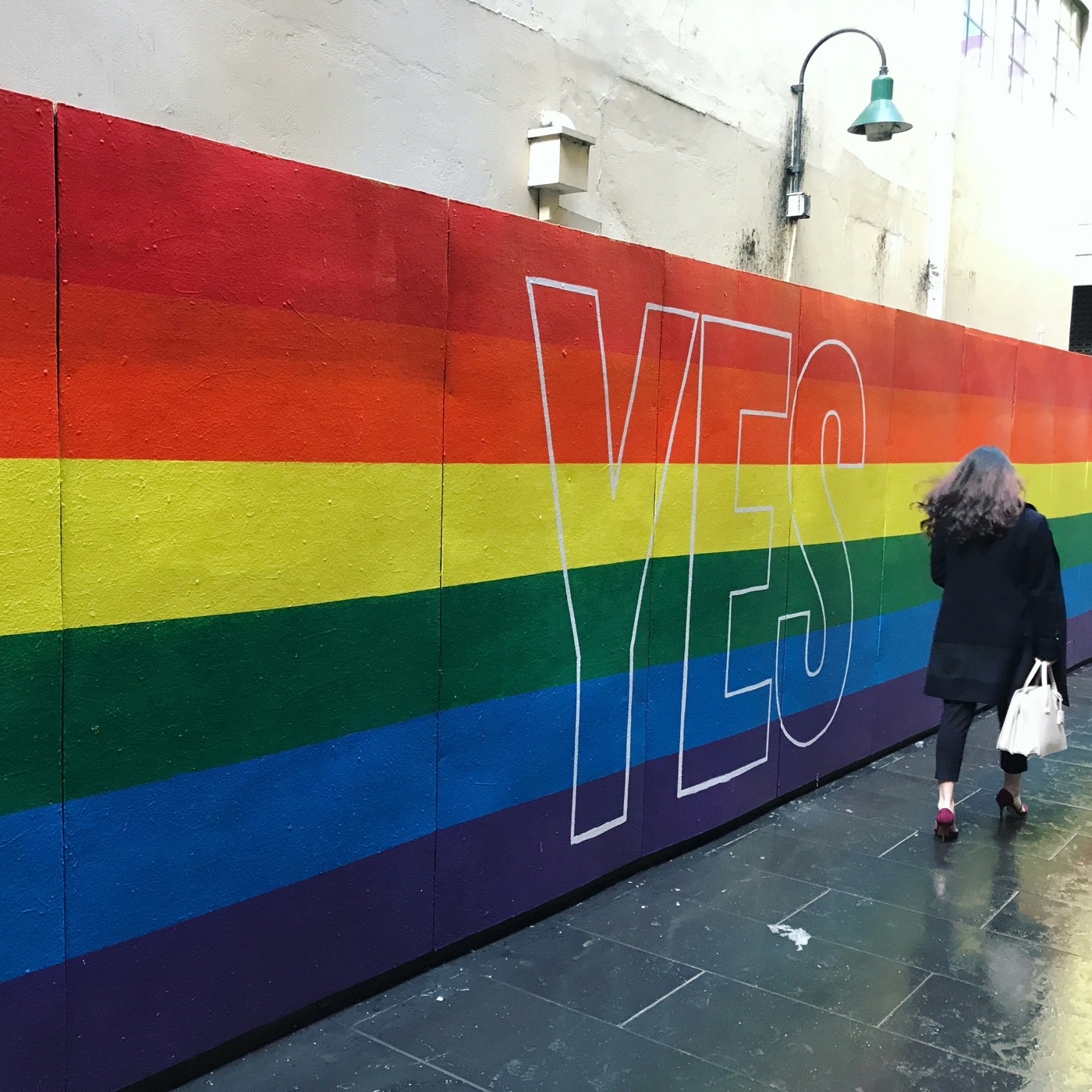
  • How is LGBTIQ equality progressing across Europe amidst rising hostility? The European Union Agency for Fundamental Rights (2024) reveals a paradox: while openness has increased, hate-motivated violence, harassment, and severe hardship persist.

    Findings from FRA’s third LGBTIQ survey—one of the largest of its kind worldwide—show that despite years of legislative, policy, and advocacy efforts across the EU, member states, and civil society, equality remains precarious. Positive indicators emerge in gradual declines in discrimination since the baseline 2012 survey, greater openness regarding sexual orientation, gender identity, gender expression, and sex characteristics, increased comfort holding hands in public, and more supportive classroom environments.

    However, these gains stand in stark contrast to widespread backlash. Everyday harassment, anti-LGBTIQ online disinformation, school bullying, and hate-motivated violence are sharply increasing, predominantly occurring in public spaces. The survey notes that trans and intersex people, LGBTIQ individuals with disabilities, and those experiencing unemployment or belonging to minorities endure the most severe adversity, including restricted healthcare access, financial distress, homelessness, and harmful conversion practices. The human toll is alarming: more than one in three respondents reported experiencing suicidal thoughts in the past year, with rates climbing even higher among trans women and trans men.

    Warning that faltering on current commitments risks unraveling decades of hard-won progress, the Agency stresses that EU institutions and member states must actively lead by example. The report calls for urgent measures to expand social safety nets, safeguard vulnerable youth, and secure the fundamental dignity and safety necessary for all LGBTIQ individuals to live openly and participate fully in society.

    Learn more about this survey report here:

    European Union Agency for Fundamental Rights. (2024). LGBTIQ equality at a crossroads: EU LGBTIQ Survey III. Publications Office of the European Union. https://fra.europa.eu/sites/default/files/fra_uploads/fra-2024-lgbtiq-equality_en.pdf

  • How do explanations for women’s underrepresentation shape their desire to run for office? Holman and Schneider (2018) show that framing the issue as supply versus demand changes women’s political ambition, with key differences across racial groups.

    Men continue to dominate political institutions in the United States. Media and academic discussions often focus on two types of obstacles that lower women’s representation: demand factors, such as political parties and elite networks, and supply factors, such as women’s self-confidence and political interest. Still, little is known about whether these narratives affect women’s ambition to run for office, or how they influence women of color.

    Holman and Schneider demonstrate that attributing women’s underrepresentation to supply versus demand causes clear changes in political ambition. When the lack of parity is blamed on demand factors, white and Asian women can dismiss the possibility that failure is due to their own abilities, which increases their political ambition. Conversely, framing underrepresentation around supply factors lowers ambition for white and Asian women, possibly because of stereotype threat. Black women respond in the opposite way, showing decreased ambition in demand scenarios, while Latinas are unaffected by these narratives. Overall, the authors’ findings show how framing intersects with racial and ethnic identity to shape political ambition.

    Learn more about this article here:

    Holman, M. R., & Schneider, M. C. (2018). Gender, race, and political ambition: How intersectionality and frames influence interest in political office. Politics, Groups, and Identities, 6(2), 264–280. https://doi.org/10.1080/21565503.2016.1208105