Category: Research

  • How does digitalization reshape the nature and depth of youth political participation across contemporary Europe? Wara (2026) conducts a systematic qualitative meta-synthesis grounded in mobilization theory to evaluate how digital communication platforms, e-governance, and e-democracy tools have redefined civic activism among young adults. Synthesizing evidence from 30 peer-reviewed articles published between 2014 and 2025 indexed in Web of Science and related repositories, the study investigates how technological shifts lower participation barriers while simultaneously introducing new structural tensions to democratic engagement.

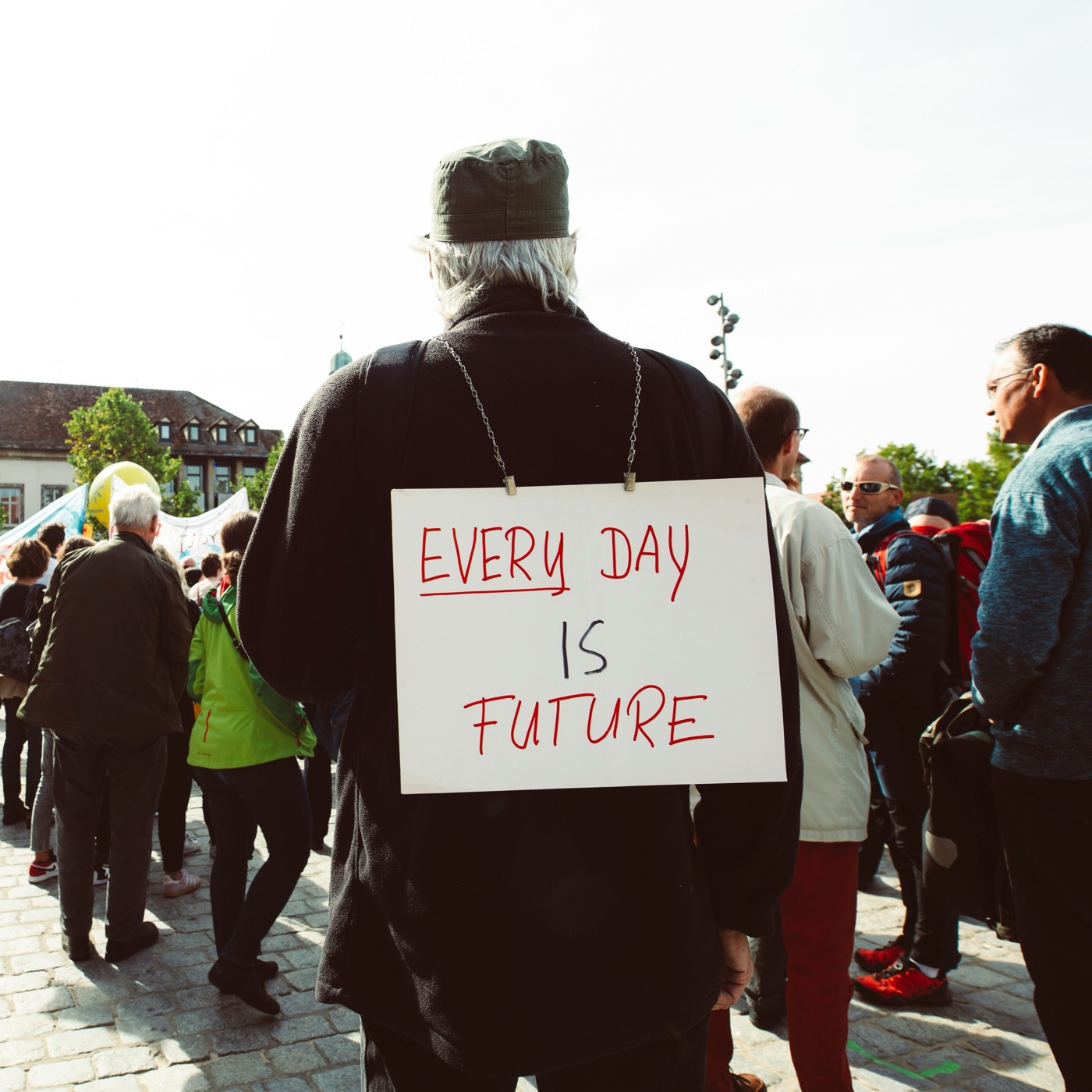
    The findings demonstrate that digitalization has decentralized civic life by opening accessible, non-hierarchical arenas for political expression and collective action beyond traditional party and state apparatuses. Digital platforms enable rapid, horizontal organizing and transnational mobilization, as demonstrated by youth-driven movements such as Fridays for Future. However, this transformative potential is constrained by severe counterweights. Persistent digital divides, unequal access to digital infrastructure, and disparities in technological literacy continue to hinder equitable participation across different regions of Europe. Furthermore, the ecosystem of digital politics is complicated by cybersecurity vulnerabilities, pervasive online misinformation, and the risk of slacktivism, which can reduce active political commitment to superficial digital gestures and fuel ideological polarization.

    The study concludes that realizing the participatory benefits of digital politics requires structural intervention rather than passive reliance on technological diffusion. Sustainable digital democracy demands coordinated, cross-sectoral collaboration among governments, civil society, and educational institutions. These stakeholders must work in concert to advance digital equity, embed comprehensive critical media literacy into youth education, and construct inclusive, accountable digital governance architectures capable of mitigating polarization while safeguarding democratic participation in the digital era.

    Learn more about this article here:

    Wara, Y. A. (2026). Influence of digitalization on political participation among young adults in contemporary Europe. Open Research Europe, 5, 360. https://doi.org/10.12688/openreseurope.21521.2


  • Michalko (2026) explores how democracy-strenghthening programs can better help political parties respond to technology-facilitated gender-based violence (TFGBV).

    This phenomenom has gronw into a major worldwide dranger to democracy, weakening political representation for women as well as LGBTIQ+ communities and eroding rights protections for everyone. Political institutions have been slow to confront this reality. While governments in places like Australia, the United Kingdom, and the European Union have recently begun regulating online spaces and tech platforms, and parliament have stablished code of conduct, reporting systems, and support for victim-survivors, political parties have received far less focus in research and practice. However, party members, affiliates, and elected leaders frequently carry out TFGBV against political competitors as well as women within their own organizations. Because political parties serve as vital conduits for women’s political involvement, they hold a central responsibility to confront this abuse within their ranks. Mihalko provides guidance for democracy practitioners to assist parties in mounting effective responses, emphasizing that this work is increasingly urgent as funding for gender equality faces cuts and threats from anti-gender and gender-restrictive actors continue to mount.

    Learn more about this research report here:

    Michalko, J. (2026) Online violence against women in politics: what shapes political party responses to technology-facilitated gender-based violence? ODI Global Report. London: ALIGN/ODI Global. www.alignplatform.org/resources/report-online-violenceagainst-women-in-politics

  • How has literature broadened our understanding of violence against women in politics? Kuteleva (2026) tracks how research has expanded from physical violence to encompass symbolic harm and everyday phychological abuse.

    Kuteleva (2026) highlights that literatue on violence againsts women in politics (VAWIP) has provided vital insights into how gender drives political exclusion. Foundational research by Krook and Restrepo Sanín (2016; 2020) first framed VAWIP as a type of hate crime and systemic backlash against women involving in political roles. Krook (2022) later built upon this foundation to address symbolic and semiotic damage, broadening the scope beyond physical agression to show representational tactics are used to delegitimize female politicians. Furthermore, an edited collection by Bjarnegård and Zetterberg (2023) pushes the concept even wider, demonstrating that gender-based political violence unfolds across a wide spectrum of contexts along a continuum connecting psychological and physical harm, rather that being restricted to formal election cycles or legislative halls.

    Learn more about this article here:

    Kuteleva, A. (2026). Compliant Women, Constitutive Violence: Rethinking the VAWIP Counterfactual. Politics & Gender, 22(3), 873–878. https://doi.org/10.1017/S1743923X26101020

  • How does political violence target women’s activism? Reboiro-Río and Rodó-Zárate (2026) examine how violence against women in politics and activist spaces functions as a tool to discipline, silence and push women out of public life.

    The research focused on violence against women in politics (VAWIP) alongside studies on women activist has made vital contributions by defining violence as gender-based issue aimed at women for participating in politics. Through these frameworks, violence serves to punish, silence, or remove women from political and public participation altogether.

    In parallel with these insights, an expanding body of scholarship examines anti-gender politics as an organized, transnational political project, focusing closely on the key actors involved, their surrounding discourses, and their strategic methods.

    Learn more about this article here:

    Reboiro-Río, U., & Rodó-Zárate, M. (2026). Violence Against Feminist Advocates: Political Violence and Anti-Gender Politics. Politics & Gender, 22(3), 859–867. https://doi.org/10.1017/S1743923X26101044

  • Does online abuse prevent young women from entering politics? Höhmann, Latteier, and Bailer (2025) show that gender-targeted online harassment pushes young women to leave political work before their careers even start.

    The authors examine how often online abuse happens on social media, what form it takes, and how it shapes the decision to pursue a political path among young party members. Drawing on an original survey of youth party members in Switzerland, their findings point to clear gender differences in both the type and the consequences of this abuse. Young women are significantly more likely to be attacked specifically because of their gender. In addition, female members are more likely to report that their personal experiences with social media abuse create real obstacles to their political work and serve as a direct reason to step down. Ultimately, Höhmann, Latteier, and Bailer conclude that online abuse discourages many young women from running for office before their political journeys have even begun.

    Learn more about this article here:

    Höhmann, D., Latteier, T., & Bailer, S. (2025). An Early Leak in the Pipeline – Online Abuse as a Barrier for Young Women’s Political Engagement. Journal of Women, Politics & Policy, 46(4), 300–319. https://doi.org/10.1080/1554477X.2025.2552573

  • Does political violence silence certain voices in public debates? Håkansson and Josefsson (2026) show that violence pushes women and immigrant politicians out of policy discussions, reinforcing the political dominance of hegemonic men.

    Free and open public discussion is essential for democratic representation, yet many politicians choose not to take part in policy debates. In this study, the authors explore how political violence contributes to this silencing and whether it disproportionately affects historically marginalized groups. Using a Swedish politician survey spanning five waves and 43,000 responses, Håkansson and Josefsson examine whether violence lowers debate participation among marginalized politicians and whether it silences discussions that challenge hegemonic male interests.

    The authors find that women and politicians from immigrant backgrounds are significantly more likely than their peers to report stepping away from public debates due to violence, and they avoid a wider range of topics. Specifically, women are particularly likely to avoid debates on gender equality, whereas politicians with an immigrant background are not more likely to avoid immigration debates. Ultimately, Håkansson and Josefsson conclude that these chilling effects narrow the variety of voices in policy discussions, potentially weakening the ability of marginalized groups to represent their constituents and reinforcing hegemonic men’s dominance in politics.

    Learn more about this article here:

    Håkansson, S., & Josefsson, C. (2026). Silenced Voices: How Violence Marginalizes Women and Immigrant Politicians in Policy Debates. British Journal of Political Science, 56, e23. https://doi.org/10.1017/S0007123426101380

  • Are women mayors targeted for their identity or their political actions? Daniele, Dipoppa, and Pulejo (2026) provide causal evidence that women mayors are systematically more likely to face political violence than men, driven by discrimination.

    Drawing on fourteen years of data, the authors show that marginally elected female mayors—who are similar to men and elected in comparable towns—are three times more likely to be attacked. Importantly, they find no differences between men and women in the actions they take before elections, such as their campaign platforms, or while serving in office, including their policies, performance, or corruption. Because this violence is unrelated to women’s political choices, the authors suggest that discrimination, rather than political influence, is an important driver of this violence gap. Lastly, Daniele, Dipoppa, and Pulejo find that women who suffer attacks are less likely to run for reelection, pointing to a possible link between political violence and ongoing gender gaps in political representation.

    Learn more about this just accepted article here:

    Daniele, G., Dipoppa, G., & Pulejo, M. (2026). Attacking Women or their Policies? Understanding Violence against Women in Politics. The Journal of Politics, 743456. https://doi.org/10.1086/743456

  • Can wartime conditions weaken the impact of anti-LGBTIQ politics? Ayoub, Page, and Whitt (2025) show that tying a party’s anti-LGBTIQ rhetoric to Putin’s war justifications shifted voter support toward Poland’s opposition coalition.

    As the authors explain, while existing research debates how war can trigger realignments in voting coalitions, we still know very little about how war influences deeper cultural conflicts, especially when politicians weaponize homophobia and transphobia as major social divisions during wartime campaigns.

    To examine this dynamic, Ayoub, Page, and Whitt analyzed original survey data gathered ahead of Poland’s 2023 parliamentary election, an election that ultimately unseated the anti-LGBTIQ Law and Justice Party (PiS). In that race, which unfolded against the backdrop of Russia’s invasion of Ukraine, the governing right-wing conservative PiS and the challenger coalition led by the center-right liberal Civic Platform (PO) clashed sharply over values like tolerance for LGBTIQ rights.

    Through a survey experiment, the authors discovered that simply informing voters about PiS’s anti-LGBTIQ rhetoric did not boost support for either PiS or PO. However, when that identical information was paired with Putin’s homophobic and transphobic justifications for the Russo-Ukrainian war, voter backing shifted significantly toward PO.

    Ultimately, Ayoub, Page, and Whitt conclude that these findings reveal the clear limitations of anti-LGBTIQ rhetoric as a once-dependable campaign strategy, while also pointing to a practical approach for pushing back against the political appeal of homophobia and transphobia.

    Learn more about this article here:

    Ayoub, P. M., Page, D., & Whitt, S. (2025). Anti‐LGBTIQ rhetoric and electoral outcomes under the shadow of war: Evidence from Poland’s 2023 parliamentary election. European Journal of Political Research, 64(4), 2078–2092. https://doi.org/10.1111/1475-6765.70014

  • What determines young Europeans’ trust in political institutions—their direct democratic participation or their everyday experience with the welfare state? Broka (2026) investigates the structural and social foundations of youth political culture across the European Union, examining how institutional performance, social trust, and civic activism shape the political orientations of young adults aged 18 to 29.

    While European youth policies have long prioritized socio-economic and civic inclusion, persistent vulnerabilities across critical welfare dimensions continue to delay transitions to financial independence and full citizenship. Drawing on longitudinal data from the European Social Survey (2002–2023) across the EU-28 countries, the author utilizes a theory-driven hierarchical multiple regression that progressively incorporates welfare state variables, interpersonal and social trust indicators, and measures of political power and civic activism to evaluate their relative explanatory power on political trust.

    The empirical analysis reveals that satisfaction with welfare-state institutions serves as the single strongest predictor of youth political trust, accounting for 40.6% of the observed variance. Although young adults display relatively low levels of formal political participation, the results demonstrate that structural and institutional factors—specifically welfare satisfaction, social and interpersonal trust, and level of education—exert a substantially stronger influence on political trust than direct political activism. Ultimately, the study underscores that youth political culture is fundamentally multidimensional, shaped far less by conventional democratic procedures alone than by effective institutional delivery, social safety nets, and broader societal organization.

    Learn more about this article here:

    Broka, A. (2026). Youth Political Culture in the European Union: Welfare Institutions, Political Trust, and Participation. Politics and Governance, 14, 11715. https://doi.org/10.17645/pag.11715

  • Borda-Niño-Wildman (2025) provides a comprehensive handbook to guide scholars, educators, and policymakers through GBV research. The volumne offers practical tools and critical reflections needed across every phase of study, from initial conceptualization and fieldwork through to final dissemination and real-world impact. Drawing on contributions from leading scholars and practitioners, the text examines how researchers formulate, design and carry out projects within shifting knowledge landscapes by focusing on the interconnected epistemological, methodological, and ethical dimensions of gender-based violence inquiry. Taking into consideration global fieldwork experiences, it highlights both the urgent questions investigators face nd the creative strategies they deploy across this complex field.

    The handbook covers a broad spectrum of conceptual, empirical and practical topics. These include applying intersectional lenses to neurodiversity and academic power dynamics, examining gender-based violence within conceptual debates about gender itself, and treating GBV as both an analytical framework and an observable reality. Contributors also evaluate the opprotunities and obstacles of conducting feminist research, the epistemological violence involved in studying abuse against transgender-identified individuals, and GBV within university setting swhere researchers frequently navigate the triple roles of researching, teaching, and providing pastoral support.

    Methodological discussions address feminist research ethics, research designs capable of examining silence, the dilemas of including perpetrators in studies, and the use of digital media to investigate violence across expanding online environments. Furthemore, the volume explores the capacity and limits of quantitative data to uncover historically overlooked forms of abuse, the implications of conductiong cross-national surveys linked to policy and advocacy, an dinnovative arst-based research methods. Finally, the collection addresses intersectional fieldworks, explores advocacy dilemmas within third-sector organizations, and shows how social theory serves as a transformative tool for analysis and practice.

    Learn more about this book here:

    Borda-Niño-Wildman, C. (2025). The Routledge International Handbook of Gender-Based Violence Research (1st ed.). Routledge. https://doi.org/10.4324/9781032632063

  • Why does violence disproportionately push women out of the political arena? The European Parliamentary Research Service (2025) examines how intersecting political and gender-based violence creates a severe barrier to women’s political representation in the EU.

    Women continue to be underrepresented across EU member states at every level of decision-making and within political parties. While this underrepresentation stems from multifaceted causes, violence against women active in politics stands out as a decisive factor that discourages women from entering public service. Female political figures navigate two overlapping forms of aggression: political violence, which undermines fundamental political rights amid rising polarization in liberal societies, and gender-based violence. The briefing stresses that violence against women in politics is far more than an incidental consequence of polarization; it targets women specifically because of their gender, manifests in sexualized and sexist abuse, and systematically functions to deter women from taking part in public life.

    The impact of this hostility has tangible consequences on political diversity and governance. Surveyed women report substantial repercussions from these experiences, noting a decreased willingness to defend specific policy stances and a reluctance to sustain their political careers. In response, ensuring the safe participation of women in political life has become a priority within EU gender equality policy frameworks. The European Parliament has formally addressed the issue across multiple resolutions, amended its internal rules of procedure to prohibit sexist rhetoric and hate speech during parliamentary debates, and put dedicated reporting and support mechanisms in place to tackle harassment.

    Learn more about this policy brief here:

    European Parliamentary Research Service. (2025). Violence against women active in politics in the EU: A serious obstacle to political participation (PE 759.600). European Parliament https://www.europarl.europa.eu/RegData/etudes/BRIE/2024/759600/EPRS_BRI(2024)759600_EN.pdf

  • How can democratic socities defend themselves against external and internal pressures? The European Commission (2025) presents the European Democracy Shield to reinforce democratic institutions and resist authoritarian regimes agressive tactics.

    Democracy serves as the foundation of the European Union, underpinning peace, security, economic competitiveness, prosperity, and social cohesion. Grounded in free individuals, fair elections, independent media, and strong institutions, democracy functions as a way of life that protects fundamental rights, ensures equality under the law, fosters open societies, and keeps leaders accountable. European citizens identity democracy, human rights, and the rule of law as the Union’s greatest strengths.

    However, in a period marked by regional conflicts, geopolitical friction, and technological shifts, democratic systems face intensifying strain. Authoritarian powers view democracy as a direct threat and employ aggressive methods, often through state or non-state proxies, to weaken it. While democratic systems work by uniting diverse voices to find shared solutions, authoritarian actors deliberately widen societal divisions, exploit conflicts, undermine elections, and target free media and civil society to destroy public trust in democratic governance.

    The European Commission (2025) highlights this as an urgent challenge for the EU, neighboring regions, and democracies across the globe. Protecting candidate and potential candidate nations from destabilization and foreign interference is especially critical. Alongside its war of aggression against Ukraine, Russia continues to escalate hybrid operations accross Europe, using deceitful narratives and falsified history to weaken trust in democratic systems over the long term.

    Learn more about this policy here:

    European Commission. (2025b). European Democracy Shield: Empowering strong and resilient democracies (JOIN(2025) 791 final) https://eur-lex.europa.eu/legal-content/EN/TXT/PDF/?uri=CELEX:52025JC0791

  • How can public funding schemes bridge the gap between high-level policy agendas and grassroots practice to mobilize marginalized youth? Wielath et al. (2025) investigate the role of funding programs as meso-level infrastructures that mediate between macro-level political strategies and micro-level local implementation, assessing how these mechanisms can be designed to empower young people who are rarely engaged in political processes.

    Drawing on desk research and two expert focus groups conducted at both national and European levels, the study examines youth-focused funding architectures across four analytical dimensions: conceptual frameworks, cross-sectoral positioning, the inherent logic of administrative structures, and responsiveness to the lived realities of youth and community practitioners. The authors demonstrate that funding programs cannot be evaluated at the program level in isolation. Instead, they act as critical levers and mediators connecting systemic political goals with the everyday practices of youth workers and marginalized participants.

    The analysis reveals that successfully engaging underrepresented youth requires moving past deficit-oriented narratives that treat marginalized groups as passive recipients. Programmatic success relies on embedding robust bottom-up feedback loops, easing administrative rigidity to accommodate non-traditional civic actors, and investing in durable local infrastructures rather than short-term project cycles. The authors conclude that youth participation policies must transition toward long-term, context-sensitive, and coordinated funding frameworks that directly align structural resources with the practical needs of young citizens on the ground.

    Learn more about this article here:

    Wielath, S., Pelzer, M., Hofmann-van De Poll, F., & Rottach, A. (2025). Political Participation of Marginalized Young People: Examining Funding Programs from a European and National Perspective. Youth, 5(4), 108. https://doi.org/10.3390/youth5040108

  • How do perceived discrimination and national identification condition the political participation of young immigrants compared to the native-born majority? Hoffmann and Benoit (2025) investigate the mechanisms of youth political socialization in Germany—where nearly one-third of the population possesses a migration background—to evaluate why established predictors of civic action operate differently among diverse young adults aged 18 to 30.

    While adult immigrants consistently display lower participation rates than majority populations, findings among youth remain contradictory, largely because conventional determinants such as socioeconomic resources, political efficacy, and political interest are still actively forming during early adult transitions.Using the Civic Voluntarism Model as their theoretical baseline, the authors analyze data from Wave 5 of the German branch of the Children of Immigrants Longitudinal Survey in Four European Countries (CILS4EU-DE).

    Through linear regression models, the study examines both conventional political participation (such as formal institutional voting or party-affiliated action) and unconventional participation (such as demonstrations and grassroots activism), testing whether personal experiences of discrimination and feelings of national identification moderate the classic relationship between resources, psychological engagement, recruitment networks, and political action.The findings reveal that perceived discrimination exerts diametrically opposed effects on recruitment networks and unconventional participation across groups, acting as a mobilizing catalyst for young adults with a migration background while depressing unconventional engagement among youth without a migration background.

    Furthermore, strong national identification functions as an unexpected dampener, weakening the positive effect of political interest among majority youth and diluting the mobilizing power of recruitment networks among immigrant youth. In contrast, neither discrimination nor national identification moderates socioeconomic resources or conventional political participation in either group. The study concludes that immigrant youth mobilization is shaped by distinct cognitive and relational negotiations of belonging and institutional exclusion, demonstrating that experienced discrimination frequently redirects marginalized youth toward unconventional political arenas rather than inducing civic apathy.

    Learn more about this article here:

    Hoffmann, P., & Benoit, V. (2025). Political Participation of Young Immigrants: Do National Identification and Discrimination Moderate the Relationship? Politics and Governance, 13, 9253. https://doi.org/10.17645/pag.9253

  • How is the EU protecting women’s rights against rising global pushback? The European Commission (2025a) outlines a roadmap to reaffirm foundational values and guide its equality policies beyond 2025.

    Grounded in EU law since the 1957 Treaty of Rome, gender equality remains a core priority, guiding efforts to close labor and wage gaps, expand the care economy, support work-life balance, and combat violence against women. Building on the Gender Equality Strategy 2020–2025, internal mainstreaming through the Taskforce on Equality, and a 7.9-point rise to 71 on the 2024 Gender Equality Index, the EU also continues to champion these standards globally under Sustainable Development Goal 5.

    However, with worldwide backlash, sexism, and challenges to existing protections on the rise, the European Commission (2025a) stresses the urgent need to renew this commitment. In line with the 2024–2029 Political Guidelines and the 30th anniversary of the Beijing Declaration, this roadmap establishes core principles and an annexed declaration to steer future actions, especially the post-2025 Gender Equality Strategy. The Commission calls on member states, EU institutions, and civil society to unite in realizing these goals, reinforcing gender equality as an essential foundation for democracy, economic competitiveness, and social justice.

    Learn more about this policy here:

    European Commission. (2025). A roadmap for women’s rights (COM(2025) 97 final) https://eur-lex.europa.eu/resource.html?uri=cellar:2fbb2780-fb4e-11ef-b7db-01aa75ed71a1.0001.02/DOC_1&format=PDF

  • How do experiences of discrimination and social participation interact to foster political interest among immigrant-origin youth? Agyeman-Osei (2025) examines the cognitive mechanisms underpinning youth political socialization, addressing conflicting empirical literature on whether adolescents with an immigrant background exhibit higher or lower levels of political interest than their native-born peers.

    Political interest serves as a primary cognitive driver of active political participation and long-term democratic integration, taking root early in adolescence and developing alongside key sociodemographic markers such as socioeconomic status and immigrant heritage. However, existing research reveals contradictory patterns, with some studies identifying suppressed political interest among immigrant youth while others observe heightened political interest. The author investigates whether these conflicting outcomes can be explained by personal experiences of discrimination and their potential moderating effect on social participation—a well-established correlate of civic and political interest.

    Drawing on empirical data from the Children of Immigrants Longitudinal Survey in Four European Countries (CILS4EU), the study captures a wide range of discrimination experiences reported by young people across national contexts. Utilizing linear regression models, the author evaluates the direct and interactive effects of discrimination and social participation on adolescents’ political interest. The empirical findings reveal that both discrimination experiences and active social participation exert statistically positive effects on youth political interest. Crucially, the analysis identifies no significant moderation effect between the two variables, demonstrating that discrimination and social participation operate as independent, additive pathways to political awakening rather than mutually amplifying dynamics. The study concludes that adversity and marginalization do not inherently induce political apathy; rather, confronting discrimination can stimulate critical political interest among immigrant youth, underscoring the need for institutions to provide supportive civic avenues that translate this interest into sustained democratic participation.

    Learn more about this article here:

    Agyeman-Osei, K. M. (2025). CIVIC INTEREST FROM THE MARGINS: DISCRIMINATION AND YOUTH POLITICAL ENGAGEMENT. https://doi.org/10.5281/ZENODO.19368161

  • How has the European Commission progressed in protecting women and dismantling gender bias? The European Commission (2025) reviews recent equality milestones, highlighting major legislative breakthroughs alongside widespread violence and persistent stereotypes.

    The year 2024 represented an important turning point for EU gender policy with the adoption of the first-ever Directive on combating violence against women and domestic violence, alonside two Directives strengthening equality bodies. This legislation introduces EU-level definitions for specific crimes (notably cyberviolence) while implementing and reinforcing the EU’s 2023 ratification of the Istanbul Convention. These protections address an urgent reality documented by joint survey from Eurostat, the EU Agency for Fundamental Rights, and the European Institute for Gender Equality: one in three women in the EU has experienced physical or sexual violence in adulthood, one in six has faced sexual violence including rape, and one in five has experienced domestic violence.

    Public attitudes reflect an equally complex landscape. While Eurobarometer surveys show that three-quarters of respondents recognize that gender equality benefits men and broader society, stereotypical views endure. Approximately one-quarter of respondents still consider it unattractive for women to express strong opinions in public, and data reveals growing polarization between young men and young women, with young men more likely to endorse traditional sterotypes. Furthemore, while the EU reached a score of 71 out of 100 on the 2024 Gender Equality Index (an improve,ent of 7.9 points since 2010) the current rate of progeess indicates that achieving full gender equality will take approximately 60 years. In response, the report evaluates measures taken between March 2024 and February 2025 across the core pillars of the Gender Equality Strategy: ending gender-based violence, challenging stereotypes, securing equal participation in the economy, and achieving parity in leadership.

    Learn more about this report here:

    European Commission (Ed.). (2025). 2025 report on gender equality in the EU. Publications Office. https://doi.org/10.2838/5262357

  • How does violence against politicians weaken gender equality? Håkansson (2024) shows that harassment directed at female politicians harms descriptive, substantive, and symbolic representation, silencing women and pushing them out of public life.

    While women face more harassment and intimidation as politicians than men do, we know very little about how this mistreatment shapes political representation. To address this issue, Håkansson builds a framework to study the costs of political violence across descriptive, substantive, and symbolic representation. Testing this model with interview and survey data from Swedish male and female politicians, the author finds clear empirical evidence of harm across all three areas.

    In terms of descriptive representation, violence causes women to consider leaving politics more often than men and reinforces male-coded traits for candidates, which hurts the chances of achieving gender-diverse representation. For substantive representation, violence causes harm by silencing feminist debates and disrupting women politicians’ ability to participate in policy discussions. Lastly, symbolic representation is threatened because violence forces women to reduce their public visibility.

    Learn more about this article here:

    Håkansson, S. (2024). The Gendered Representational Costs of Violence against Politicians. Perspectives on Politics, 22(1), 81–96. https://doi.org/10.1017/S1537592723001913

  • How can researchers better measure overlapping social inequalities? Evans et al. (2024) offer an accessible tutorial on I-MAIHDA, a multilevel approach designed to examine health, social, and economic disparities across intersecting groups.

    Intersectional multilevel analysis of individual heterogeneity and discriminatory accuracy (I-MAIHDA) is an innovative approach for investigating inequalities across health, disease, psychosocial, and socioeconomic outcomes. Evans et al. explain that I-MAIHDA and related methods offer clear conceptual and practical advantages over standard single-level regression models. By helping researchers examine how multiple, interlocking systems of marginalization and oppression produce inequalities—and by overcoming the typical challenges of analyzing interactions—it serves as a valuable tool for social epidemiology, health psychology, precision medicine, public health, and environmental justice. The method allows researchers to estimate average differences between intersectional groups, evaluate interaction effects in detail, and separate individual variation into differences within groups and between groups.

    Because of the lack of practical guidance on running and interpreting MAIHDA models across different studies, Evans et al. bring this knowledge together into a clear conceptual and practical guide for both continuous and binary outcomes. While they focus on I-MAIHDA, the tutorial also sheds light on related methods, such as multicategorical MAIHDA used in clinical research. To help researchers run their own models or understand the concepts, the authors offer step-by-step guidance alongside a practical example using simulated health data, providing all data and code so readers can replicate the analyses.

    Learn more about this article here:

    Evans, C. R., Leckie, G., Subramanian, S. V., Bell, A., & Merlo, J. (2024). A tutorial for conducting intersectional multilevel analysis of individual heterogeneity and discriminatory accuracy (MAIHDA). SSM – Population Health, 26, 101664. https://doi.org/10.1016/j.ssmph.2024.101664

  • How do far-right populist parties adapt their gender rhetoric across different political landscapes? Reinhardt, Heft, and Pavan (2024) analyze how populist radical right parties (PRRPs) weaponize gender issues on social media to drive gendered democratic backsliding.

    The authors evaluate how context-specific “gendered opportunity structures”—shaped by national levels of gender contestation, legal protections, party trajectories, and voter resonance—influence communication strategies. Focusing on the 2019 European Parliament election campaign, the study conducts a quantitative content analysis and constructs topic networks from the Facebook and Twitter feeds of three prominent parties: Germany’s Alternative for Germany (AfD), Italy’s Lega, and the Sweden Democrats. Through these networks, the authors track the salience of gender debates, the broader thematic contexts in which they are embedded, and specific party positions.

    The findings reveal that national conditions heavily dictate party framing. In settings where gender and sexual equality enjoy high public acceptance and strong legal protections, parties tend to rely on femonationalist framing—instrumentalizing gender equality rhetoric against external outgroups and immigrants while muting overt anti-gender hostility. In contrast, in contexts where equality protections are weaker and public contestation is higher, parties openly mobilize antigenderist rhetoric to challenge progressive norms. Despite these national variations, a shared femonationalist discourse bridges all three parties transnationally, rooted in a common nativist ideological core.

    Learn more about this article here:

    Reinhardt, S., Heft, A., & Pavan, E. (2024). Varieties of antigenderism: The politicization of gender issues across three European populist radical right parties. Information, Communication & Society, 27(7), 1273–1294. https://doi.org/10.1080/1369118X.2023.2246536

  • How is LGBTIQ equality progressing across Europe amidst rising hostility? The European Union Agency for Fundamental Rights (2024) reveals a paradox: while openness has increased, hate-motivated violence, harassment, and severe hardship persist.

    Findings from FRA’s third LGBTIQ survey—one of the largest of its kind worldwide—show that despite years of legislative, policy, and advocacy efforts across the EU, member states, and civil society, equality remains precarious. Positive indicators emerge in gradual declines in discrimination since the baseline 2012 survey, greater openness regarding sexual orientation, gender identity, gender expression, and sex characteristics, increased comfort holding hands in public, and more supportive classroom environments.

    However, these gains stand in stark contrast to widespread backlash. Everyday harassment, anti-LGBTIQ online disinformation, school bullying, and hate-motivated violence are sharply increasing, predominantly occurring in public spaces. The survey notes that trans and intersex people, LGBTIQ individuals with disabilities, and those experiencing unemployment or belonging to minorities endure the most severe adversity, including restricted healthcare access, financial distress, homelessness, and harmful conversion practices. The human toll is alarming: more than one in three respondents reported experiencing suicidal thoughts in the past year, with rates climbing even higher among trans women and trans men.

    Warning that faltering on current commitments risks unraveling decades of hard-won progress, the Agency stresses that EU institutions and member states must actively lead by example. The report calls for urgent measures to expand social safety nets, safeguard vulnerable youth, and secure the fundamental dignity and safety necessary for all LGBTIQ individuals to live openly and participate fully in society.

    Learn more about this survey report here:

    European Union Agency for Fundamental Rights. (2024). LGBTIQ equality at a crossroads: EU LGBTIQ Survey III. Publications Office of the European Union. https://fra.europa.eu/sites/default/files/fra_uploads/fra-2024-lgbtiq-equality_en.pdf

  • How do institutional participatory frameworks within the European Union govern, absorb, and constrain extra-parliamentary youth activism? Pušnik (2024) critically examines the institutionalization of youth civic engagement at both the supranational level of the European Union and the national level in Slovenia, interrogating whether official participatory structures empower young people or neutralize disruptive democratic critique. Grounded in a Foucauldian analytics of government (governmentality), the study traces the emergence of institutional youth engagement back to the European student mobilizations of 1968, arguing that modern participatory frameworks were historically designed to govern dissident energy and align youth action with state and supranational priorities.

    Focusing on contemporary consultative instruments, specifically the EU Youth Dialogue and the Council of the Government of the Republic of Slovenia for Youth, the author demonstrates that institutional mechanisms systematically privilege conventional representative practices—most notably electoral turnout and formalized consultation—while disregarding or delegitimizing autonomous, extra-parliamentary, and contentious political action. Concurrently, the study reveals how neoliberal rationality operates within these architectures to depoliticize structural inequalities by shifting the burden of democratic engagement entirely onto individuals. Rather than redistributing decision-making power, these mechanisms cultivate an idealized identity of the active economic citizen who participates only within strictly prescribed, non-disruptive parameters. The author concludes that institutionalized youth participation largely functions as a disciplinary technology that pacifies radical civic impulses outside the ballot box rather than fostering expansive democratic agency.

    Learn more about this article here:

    Pušnik, T. (2024). INSTITUTIONALISATION OF YOUTH POLITICAL PARTICIPATION IN THE EU: A NEOLIBERAL ATTEMPT TO CASTRATE THE POLITICAL ENGAGEMENT OF YOUNG PEOPLE OUTSIDE THE BALLOT BOX. Teorija in praksa, 341–362. https://doi.org/10.51936/tip.61.2.341

  • How do international treaties and EU directives bind European institutions in combating gender-based violence? De Vido and Frulli (2023) examine how the EU’s accession to the Istanbul Convention and the 2024 VAW Directive establish binding obligations across member states and EU administration.

    Violence against women and domestic violence constitute severe violations of human rights and persistent manifestations of structural discrimination that undermine foundational EU values of equality and non-discrimination. The EU reinforced its substantive legal and criminal procedural framework by completing accession to the Istanbul Convention in June 2023, which entered into force for the Union on October 1, 2023. While all EU member states have signed the Convention and 22 have ratified it, the Union’s formal accession covers matters within its competence: judicial cooperation in criminal matters, asylum and non-refoulement, and the operation of the Union’s institutions and public administration under Article 336 of the Treaty on the Functioning of the European Union (TFEU).

    To operationalize the main sections of the Istanbul Convention within judicial cooperation, the EU adopted the Directive on combating violence against women and domestic violence (VAW Directive) on May 7, 2024, complementing existing policy, funding, and the EU asylum acquis. Crucially, based on Opinion 1/19 of the Court of Justice of the European Union (CJEU), the Convention’s preventive and protective obligations directly bind EU institutions regarding statutory staff, non-statutory personnel, and visitors to EU premises. The Court affirmed that the Union cannot restrict itself to minimum standards or supporting measures; instead, it must ensure these human rights obligations are fully satisfied, guaranteeing an internal level of protection that matches the requirements imposed on member states.

    Learn more about this study here:

    De Vido, S., & Frulli, M. (Eds.). (2023). Group of experts on action against violence against women and domestic violence. In Preventing and Combating Violence Against Women and Domestic Violence (pp. 728–729). Edward Elgar Publishing. https://doi.org/10.4337/9781839107757.ch72

  • In what specific ways does digital harassment diverge along gender lines for elected officials? Erikson, Håkansson, and Josefsson (2023) examine the experiences of Swedish Members of Parliament, arguing that understanding and mitigating online hostility requires analyzing how abuse is gendered across three distinct dimensions: frequency, character, and consequences.

    Drawing on original survey data and interviews with Swedish MPs, the authors demonstrate that while online abuse impacts both men and women, its dynamics vary substantially by dimension. In terms of frequency, women MPs do not experience a higher volume of online abuse than their male counterparts. However, the character of the hostility is starkly gendered, with female politicians facing significantly more sexualized harassment, sexist degradation, and attacks targeting their identity. Furthermore, the consequences of this abuse diverge in unexpected ways: while men exposed to high levels of hostility are slightly more inclined to consider leaving politics altogether, women report that online abuse circumscribes their personal agency and limits how they engage in public and political debate.

    Learn more about this article here:

    Erikson, J., Håkansson, S., & Josefsson, C. (2023). Three Dimensions of Gendered Online Abuse: Analyzing Swedish MPs’ Experiences of Social Media. Perspectives on Politics, 21(3), 896–912. https://doi.org/10.1017/S1537592721002048

  • How do media portrayals shape societal gender norms and individual aspirations? Santoniccolo et al. (2023) synthesize the literature on gender stereotyping, objectification, and sexualization across media contexts, highlighting their role in fostering gender-based hostility and obstaculizing women’s public and professional ambition.

    Despite legislative advances and broader progress in civil rights, restrictive gender-based characterizations remain widespread across contemporary media landscapes. Synthesizing scientific evidence on how media shapes cultural environments, the authors demonstrate that stereotyping representations actively reinforce rigid gender role norms and bias. For men, continuous exposure to these portrayals fosters sexist attitudes, harassment, and violence; for women, it acts as a structural deterrent that represses career-oriented goals and professional ambitions.

    Simultaneously, objectifying and sexualized representations encourage the internalization of narrow cultural appearance standards, promote the acceptance of sexist dynamics, and increase tolerance of abuse and body shame. These portrayals carry severe collateral impacts on physical and mental health, correlating with eating disorder symptomatology, intensified body surveillance, and diminished quality of life related to body image. The review concludes by emphasizing that while the harmful societal and psychological effects of these representations are evident, further empirical research is needed to delineate the specific pathways through which these harms affect diverse populations.

    Learn more about this article here:

    Santoniccolo, F., Trombetta, T., Paradiso, M. N., & Rollè, L. (2023). Gender and Media Representations: A Review of the Literature on Gender Stereotypes, Objectification and Sexualization. International Journal of Environmental Research and Public Health, 20(10), 5770. https://doi.org/10.3390/ijerph20105770

  • Does election violence target women differently than men? Bjarnegård, Håkansson, and Zetterberg (2022) find that while male and female candidates in Sri Lanka face similar overall levels of violence, women experience more sexual intimidation.

    As the authors explain, an emerging body of research highlights the broad forms of violence women encounter when entering political life. Within this scholarship, two main interpretations exist: one views this violence as primarily driven by gender, where women are targeted simply because they are women, while the other sees it as a routine political tactic directed at candidates of any sex. However, because researchers have lacked large-scale, systematic comparisons of male and female candidates, little is known about how a candidate’s sex actually shapes their exposure to election-related violence.

    To address this gap, Bjarnegård, Håkansson, and Zetterberg examined original survey data from 197 male and female candidates in Sri Lanka’s 2018 local elections. Sri Lanka serves as a fitting case because it is a postconflict country with widespread political violence and a rapid rise in women candidates following the adoption of gender quotas. Ultimately, the authors observed broad similarities in the overall violence experienced by men and women, suggesting that violence often operates as part of a wider political practice. At the same time, women were exposed to forms of intimidation of a sexual nature far more often than men, demonstrating the critical need for gender-sensitive approaches to studying election violence.

    Learn more about this article here:

    Bjarnegård, E., Håkansson, S., & Zetterberg, P. (2022). Gender and Violence against Political Candidates: Lessons from Sri Lanka. Politics & Gender, 18(1), 33–61. https://doi.org/10.1017/S1743923X20000471

  • How can research better align with public needs? Bernstein et al. (2022) introduce the Societal Readiness Thinking Tool to help researchers and innovators design projects that actively respond to societal values, needs, and expectations.

    The authors highlight the need for societally focused approaches in research and innovation that can work alongside traditional Technology Readiness frameworks. To develop this tool, they draw on concepts and practical insights from responsible research and innovation organized across key stages of a project’s life cycle. The tool is designed to address gaps in Technology Readiness models while improving on other initiatives that integrate responsible research and innovation, sustainability, and design thinking into research and development workflows. Finally, Bernstein et al. explain how the tool is put into practice, share results from early user tests, and discuss potential future versions and applications.

    Learn more about this article here:

    Bernstein, M. J., Nielsen, M. W., Alnor, E., Brasil, A., Birkving, A. L., Chan, T. T., Griessler, E., De Jong, S., Van De Klippe, W., Meijer, I., Yaghmaei, E., Nicolaisen, P. B., Nieminen, M., Novitzky, P., & Mejlgaard, N. (2022). The Societal Readiness Thinking Tool: A Practical Resource for Maturing the Societal Readiness of Research Projects. Science and Engineering Ethics, 28(1), 6. https://doi.org/10.1007/s11948-021-00360-3

  • When and why does the political ambition gap between women and men originate? Bos et al. (2022) develop and test a new framework of “gendered political socialization” to demonstrate how childhood perceptions of politics restrict girls’ political interest and aspirations from an early age.

    Drawing on data from 1,604 children across four distinct regions in the United States, the study examines how young people conceptualize gender within the political domain and how these views shape early differences in political ambition. The authors find that children readily view politics as a male-dominated environment, with girls increasingly viewing political leadership as a “man’s world” as they mature. Concurrently, as children age, they internalize societal gender expectations that channel their career aspirations toward roles deemed congruent with their own gender. This perceived mismatch between women and political life leads girls to demonstrate systematically lower levels of political interest and ambition compared to boys, identifying early socialization as a critical source of long-term gender disparities in governance.

    Learn more about this article here:

    Bos, A. L., Greenlee, J. S., Holman, M. R., Oxley, Z. M., & Lay, J. C. (2022). This One’s for the Boys: How Gendered Political Socialization Limits Girls’ Political Ambition and Interest. American Political Science Review, 116(2), 484–501. https://doi.org/10.1017/S0003055421001027

  • What is the economic cost of failing to address gender-based violence? The European Institute for Gender Equality (2021) quantifies the financial impact of gender-based and intimate partner violence across the EU, underscoring the high cost of policy inaction.

    Gender-based violence remains widespread across the European Union and disproportionately affects women, with 2012 data indicating that one in three women aged 15 or older has faced physical or sexual violence. Although human suffering and lost lives cannot be measured in monetary terms, calculating lost economic productivity alongside public expenditures across healthcare, legal systems, social assistance, and specialized support clarifies the broader societal burden of this violence. Placing an economic value on the issue assists both member states and EU institutions in making evidence-based resource allocation choices across policy areas, while illustrating the hidden costs of underfunding prevention efforts.

    Drawing on the methodology established in its 2014 study, the report examines intimate partner violence as a primary subset of gender-based violence. The authors calculate updated cost estimates using 2019 data from the United Kingdom and extrapolate these figures across EU member states. In addition to these calculations, the publication presents a critical review of studies on intimate partner and gender-based violence costs published across Europe since 2014. Through this synthesis, the report identifies key lessons learned and provides concrete recommendations to guide future costing analyses and data-collection practices at both national and EU levels, supported by an accompanying technical report detailing the underlying models and extrapolation techniques.

    Learn more about this policy research report here:

    European Institute for Gender Equality. (2021). The costs of gender-based violence in the European Union. Publications Office of the European Union. https://eige.europa.eu/publications-resources/publications/costs-gender-based-violence-european-union

  • How can the European Union achieve true equality across its member states? The European Commission (2020) outlines its 2020–2025 strategy to eliminate gender-based violence, structural inequality, and persistent gaps in pay and power.

    As the European Commission (2020) explains, promoting equality between women and men is required by EU Treaties, standing as a core value, a fundamental right, and a central principle of the European Pillar of Social Rights. Equal participation is also essential for a competitive, innovative, and thriving economy, bringing more jobs and higher productivity to help Europe navigate the green and digital transitions as well as demographic challenges. While the EU is a global leader in this area—holding 14 of the world’s top 20 spots for gender equality thanks to strong equal treatment laws and mainstreaming efforts—no member state has reached full equality. Progress remains slow, with the average EU Gender Equality Index score rising just 5.4 points from 2005 to reach 67.4 out of 100 in 2019.

    The Commission emphasizes that advances in gender equality are neither inevitable nor permanent. While the gap in education is closing, deep divisions remain in employment, earnings, caregiving, political power, and pensions. In addition, gender-based violence, harassment, and sexist hate speech continue at alarming rates, alongside resistance to dismantling gender stereotypes.

    To confront these issues, the 2020–2025 strategy outlines concrete policy goals and actions to build an EU where discrimination, violence, and structural barriers are removed, allowing women and men in all their diversity to have equal chances to lead and thrive.

    Learn more about this policy strategy here:

    European Commission. (2020). A Union of Equality: Gender Equality Strategy 2020–2025 (COM(2020) 152 final) https://eur-lex.europa.eu/legal-content/EN/TXT/?uri=CELEX:52020DC0152

  • How common is harassment among political candidates in the UK? Collignon and Rüdig (2020) show that four in ten candidates faced harassment in the 2017 election, with women and younger candidates facing the highest risk.

    Using political violence to reach political goals has long been a serious concern. While people once thought this problem only happened in countries with high levels of violence overall, recent evidence shows that the harassment and intimidation of political figures in the UK is far more common than previously assumed.

    Drawing on survey data from candidates who ran in the 2017 general election, Collignon and Rüdig found that four out of every ten candidates experienced at least one form of harassment. The evidence also indicates that women and young candidates are more likely to deal with harassment and intimidation. To close, the authors lay out a roadmap for future research, pointing especially to the need to examine how people perceive harassment and how it shapes political careers.

    Learn more about this article here:

    Collignon, S., & Rüdig, W. (2020). Harassment and Intimidation of Parliamentary Candidates in the United Kingdom. The Political Quarterly, 91(2), 422–429. https://doi.org/10.1111/1467-923X.12855

  • Why do elections frequently lead to conflict instead of peace? Birch, Daxecker, and Höglund (2020) explain that outside established democracies, voting often involves electoral violence, which operates as a distinct subtype of political violence.

    In introducing this special issue, the authors point out that while elections take place across almost every country today to ensure peaceful transfers of power, contests held outside consolidated democracies are often accompanied by significant violence. Birch, Daxecker, and Höglund emphasize that electoral violence has its own analytical and empirical dynamics, making it distinct from other forms of organized violence and qualitatively different from nonviolent electoral manipulation.

    The authors review existing knowledge regarding the causes and consequences of electoral violence, point out notable research gaps, and present the collection of articles in the issue. These contributions advance the literature across four core areas: the micro-level targeting and consequences of electoral violence, its institutional roots, the factors that create high-stakes elections, and how electoral violence fits into broader patterns of organized violence. Finally, Birch, Daxecker, and Höglund emphasize the geographic and methodological breadth of the studies, which examine Africa, Latin America, and Asia using ethnography, survey data, vignette and list experiments, and quantitative subnational and crossnational event data.

    Learn more about this article here:

    Birch, S., Daxecker, U., & Höglund, K. (2020). Electoral violence: An introduction. Journal of Peace Research, 57(1), 3–14. https://doi.org/10.1177/0022343319889657

  • How does gender shape political violence? Bardall, Bjarnegård, and Piscopo (2020) break down this dynamic into three core elements: motives, forms, and impacts, to give researchers and policymakers greater analytical precision.

    To build this framework, the authors bridge the traditional political violence literature, which focuses on classifying attacks, with the gender and politics literature, which analyzes barriers to women’s political participation. Within this model, gendered motives occur when perpetrators rely on violence to preserve hegemonic men’s control over politics.

    Gendered forms highlight the way existing gender roles and tropes create distinct experiences of violence for men and women. Finally, gendered impacts capture the subjective meaning-making processes that unfold as different audiences react to political violence. In doing so, Bardall, Bjarnegård, and Piscopo provide a clear, structured way to understand how gender operates across every stage of political violence.

    Learn more about this article here:

    Bardall, G., Bjarnegård, E., & Piscopo, J. M. (2020). How is Political Violence Gendered? Disentangling Motives, Forms, and Impacts. Political Studies, 68(4), 916–935. https://doi.org/10.1177/0032321719881812

  • How can we measure democracy more accurately? Coppedge et al. (2019) detail how the Varieties of Democracy (V-Dem) project provides a new methodological framework to measure democracy using deep data and open statistical tools.

    The article explains the newest methods V-Dem uses to measure democracy and related topics. Aside from breaking democracy down into distinct, detailed parts, V-Dem stands apart through several specific features. It brings together long-term historical records reaching back to 1900, and as far back as 1789 for a large group of countries across the globe. To ensure reliability, the project relies on multiple independent coders for every evaluative question and runs coder-agreement checks through a custom Bayesian item-response theory model. In addition, the authors provide confidence bounds for each individual expert score and summary index, showing the uncertainty around each estimate. V-Dem also offers multiple indices that reflect different theoretical definitions of democracy, uses fully transparent steps to combine the data, and makes all datasets freely available to the public, including the individual scores from each coder with all personal identifying details removed.

    Learn more about this article here:

    Coppedge, M., Gerring, J., Knutsen, C. H., Krusell, J., Medzihorsky, J., Pernes, J., Skaaning, S.-E., Stepanova, N., Teorell, J., Tzelgov, E., Wilson, S. L., & Lindberg, S. I. (2019). The Methodology of “Varieties of Democracy” (V-Dem)1. Bulletin of Sociological Methodology/Bulletin de Méthodologie Sociologique, 143(1), 107–133. https://doi.org/10.1177/0759106319854989

  • What shapes how voters view transgender rights and political candidates? Jones et al. (2018) find that while a majority of Americans back transgender rights, support drops sharply for transgender candidates running for public office.

    Drawing on original data from a national telephone survey of U.S. adults, Jones et al. examine attitudes across three areas: the personal characteristics of transgender individuals, support for a range of transgender rights, and willingness to back transgender candidates for public office, which was tested through a randomized experiment in the survey. The results show that while a majority of respondents support most policy issues, their views of transgender people themselves are much more lukewarm, and they show strong opposition toward electing a transgender candidate.

    The authors find that basic values—including egalitarianism, moral traditionalism, party identity, political ideology, and religiosity—along with personality traits like the need for cognitive closure, predict both views of transgender people and support for their rights. Watching television is also linked to how people view transgender individuals, suggesting that media representation may help shape these opinions. On the other hand, the authors find no evidence that personal contact with a transgender person influences public views. Finally, many of these factors do little to soften attitudes toward transgender candidates, as negative reactions persist across most demographic groups.

    Learn more about this article here:

    Jones, P. E., Brewer, P. R., Young, D. G., Lambe, J. L., & Hoffman, L. H. (2018). Explaining Public Opinion toward Transgender People, Rights, and Candidates. Public Opinion Quarterly, 82(2), 252–278. https://doi.org/10.1093/poq/nfy009

  • How do explanations for women’s underrepresentation shape their desire to run for office? Holman and Schneider (2018) show that framing the issue as supply versus demand changes women’s political ambition, with key differences across racial groups.

    Men continue to dominate political institutions in the United States. Media and academic discussions often focus on two types of obstacles that lower women’s representation: demand factors, such as political parties and elite networks, and supply factors, such as women’s self-confidence and political interest. Still, little is known about whether these narratives affect women’s ambition to run for office, or how they influence women of color.

    Holman and Schneider demonstrate that attributing women’s underrepresentation to supply versus demand causes clear changes in political ambition. When the lack of parity is blamed on demand factors, white and Asian women can dismiss the possibility that failure is due to their own abilities, which increases their political ambition. Conversely, framing underrepresentation around supply factors lowers ambition for white and Asian women, possibly because of stereotype threat. Black women respond in the opposite way, showing decreased ambition in demand scenarios, while Latinas are unaffected by these narratives. Overall, the authors’ findings show how framing intersects with racial and ethnic identity to shape political ambition.

    Learn more about this article here:

    Holman, M. R., & Schneider, M. C. (2018). Gender, race, and political ambition: How intersectionality and frames influence interest in political office. Politics, Groups, and Identities, 6(2), 264–280. https://doi.org/10.1080/21565503.2016.1208105

  • How can we better measure how intersecting identities shape health disparities? Evans et al. (2018) show that multilevel models offer an effective, practical way to study health inequalities across multiple overlapping social identities.

    Looking at how overlapping identities interact with systems of oppression and privilege is a central focus of health inequality research. Evans et al. present multilevel models as a new alternative for studying these intersections. By splitting the total variation across two distinct levels, this method draws attention to the differences that exist both between separate groups and within the same groups.

    To test their approach, the authors used a familiar example from social epidemiology: body mass index (BMI) measurements from 32,788 U.S. adults. Researchers often need to explore many combinations of identities and social dynamics. Here, Evans et al. compared multilevel models to the standard fixed-effects approach across five dimensions of social identity and standing—gender, race or ethnicity, income, education, and age—which combined into a total of 384 unique intersectional groups.

    The authors found that the multilevel approach offers several advantages over conventional models, including the ability to handle higher dimensions, adjust for different group sample sizes, keep models simple, and make findings easier to interpret. Furthermore, they discovered that a large portion of the overall variation occurred within the specific groups themselves. This showed that these intersectional categories had low accuracy for sorting individual risk on their own, leaving high differences in risk unexplained within each group. In conclusion, Evans et al. show that multilevel modeling is an innovative and valuable tool for analyzing intersectionality in health inequalities.

    Learn more about this article here:

    Evans, C. R., Williams, D. R., Onnela, J.-P., & Subramanian, S. V. (2018). A multilevel approach to modeling health inequalities at the intersection of multiple social identities. Social Science & Medicine, 203, 64–73. https://doi.org/10.1016/j.socscimed.2017.11.011

  • How can researchers properly build and test measurement scales? Boateng et al. (2018) offer a practical primer breaking the process into three phases and nine steps to help scientists develop reliable, valid tools.

    Developing and testing scales is essential across health, social, and behavioral sciences. Even so, the techniques involved can feel heavy, packed with jargon, unfamiliar, and demanding of time and resources. To make matters harder, graduate programs rarely teach these methods. Because of this, Boateng et al. set out to summarize scale development as clearly and simply as possible, helping researchers both construct trustworthy new scales and improve tools that already exist. Rather than offering a systematic review, the authors combine technical literature with hands-on lessons gathered from their own decades of experience creating and adapting scales to measure complex issues.

    The authors divide the overall process into three main phases that cover nine steps, adding examples of best practices along the way. In the first phase, researchers write the individual survey questions and check that their content is valid. The second phase focuses on building the scale itself, which involves pre-testing questions, running the survey, cutting down the number of items, and identifying how many distinct factors the scale actually measures. In the third phase, researchers evaluate the scale by testing its dimensions, checking its reliability, and confirming its validity. Ultimately, Boateng et al. explain that this guide equips researchers and practitioners with both the conceptual foundation and practical methods needed to advance our understanding of health, social, and behavioral outcomes.

    Learn more about this review here:

    Boateng, G. O., Neilands, T. B., Frongillo, E. A., Melgar-Quiñonez, H. R., & Young, S. L. (2018). Best Practices for Developing and Validating Scales for Health, Social, and Behavioral Research: A Primer. Frontiers in Public Health, 6, 149. https://doi.org/10.3389/fpubh.2018.00149

  • What makes violence against women a systemic social practice? Biroli (2018) explains that it functions as a broad pattern where women live with the awareness that they may face harm simply because they are women.

    Citing Young (1990), Biroli notes that women learn this systemic violence exists in the background of daily life, meaning they could experience it at any time merely for belonging to that group. This reality covers direct physical attacks alongside humiliation, harassment, intimidation, and stigmatization. While this violence targets women because of their gender, Biroli highlights Collins (2015) to show that their experiences are also shaped differently across intersecting factors like race, class, sexuality, generation, and nationality.

    Learn more about this article here:

    Biroli, F. (2018). Violence against Women and Reactions to Gender Equality in Politics. Politics & Gender, 14(4), 681–685. https://doi.org/10.1017/S1743923X18000600

  • How does violence against women in politics violate basic human rights? Ballington (2018) explains that such violence constitutes a human rights violation specifically because it stops women from exercising and realizing their political rights.

    Drawing on a definition from UN Women and UNDP (2017), Ballington notes that violence directed at women in political and public life covers any gender-based act or threat resulting in physical, sexual, or psychological harm or suffering. This harm keeps women from practicing their political rights across public and private spaces, which includes their ability to vote, run for and hold public office, vote in secret, campaign freely, assemble and associate with others, and exercise their freedom of opinion and expression.

    Learn more about this article here:

    Ballington, J. (2018). Turning the Tide on Violence against Women in Politics: How Are We Measuring Up? Politics & Gender, 14(4), 695–701. https://doi.org/10.1017/S1743923X18000636

  • Can a single model describe media across Central and Eastern Europe? Castro Herrero et al. (2017) test Hallin and Mancini’s framework and find that the region does not have just one media system, but rather splits into three distinct groups.

    The authors set out to test and expand Hallin and Mancini’s comparison model to identify real-world types of media systems across the region. To do this, they analyzed combined data from 11 countries: Bulgaria, Croatia, the Czech Republic, Estonia, Hungary, Latvia, Lithuania, Poland, Romania, Slovakia, and Slovenia. Their study shows that political parallelism and public service broadcasting work well as measures for comparison. At the same time, press freedom and foreign ownership highlight meaningful differences between national media systems. Finally, through a cluster analysis, Castro Herrero et al. uncovered three separate groups of media systems, providing clear evidence that there is no single East-Central European media model.

    Learn more about this article here:

    Castro Herrero, L., Humprecht, E., Engesser, S., Brüggemann, M., & Büchel, F. (2017). Rethinking Hallin and Mancini beyond the west: an analysis of media systems in Central and Eastern Europe. International Journal of Communication, 11, 4797–4823. http://ijoc.org./index.php/ijoc/article/view/6035/2196

  • Can quantitative methods work with an intersectional framework? Else-Quest and Hyde (2016) show how combining quantitative research with intersectionality can expand research tools and deepen our understanding of psychology.

    While intersectionality has become a familiar buzzword in psychology and is widely known in feminist scholarship across the social sciences, its definitions often vary. Across these different definitions, Else-Quest and Hyde highlight three shared assumptions: first, all people belong to multiple social categories at the same time that are interconnected; second, each category carries an element of inequality or power; and third, these categories belong both to the individual and to the social context they live in, meaning categories and their meaning can shift and change.

    Treating intersectionality as an overall approach and a critical theory rather than a falsifiable theory, the authors evaluate its potential within quantitative research. To explore how well an intersectional approach fits with different research models, they discuss positivism, social constructionism, and standpoint epistemology, looking at what each means for research methods. Aiming to expand intersectional approaches within the psychology of women, Else-Quest and Hyde address both the challenges and the promises of bringing these perspectives together. Ultimately, the authors argue that researchers can successfully use quantitative methods within an intersectional approach, which will grow the field by giving intersectionality researchers more tools. At the same time, they urge quantitative researchers to adopt an intersectional approach, which will enrich and deepen how we understand psychological concepts and processes.

    Learn more about this article here:

    Else-Quest, N. M., & Hyde, J. S. (2016). Intersectionality in Quantitative Psychological Research: I. Theoretical and Epistemological Issues. Psychology of Women Quarterly, 40(2), 155–170. https://doi.org/10.1177/0361684316629797

  • What is the true scale of violence against women across Europe, and why does so much of it remain hidden? The European Union Agency for Fundamental Rights (2014) presents findings from 42,000 women across 28 member states, exposing pervasive abuse alongside severe under-reporting.

    Based on in-depth interviews with women across all 28 EU member states, the report establishes that gender-based violence is an extensive human rights violation that European institutions and national governments cannot afford to overlook. The survey gathered comprehensive evidence on women’s experiences with physical, sexual, and psychological violence, including intimate partner abuse, stalking, sexual harassment, abuse facilitated by new technologies, and violence endured during childhood. The findings reveal that one in ten women has experienced sexual violence since the age of 15, one in twenty has been raped, and more than one in five has suffered physical or sexual violence from a partner. In addition, more than one in ten women experienced sexual abuse by an adult before turning 15. Despite this high prevalence, abuse is systematically hidden from authorities: only 14% of women reported their most severe incident of intimate partner violence to the police, and only 13% reported their most severe incident involving a non-partner.

    Responding to long-standing calls for robust, comparable data from the Council of Europe, the UN Committee on the Elimination of Discrimination against Women, and Council of the EU Presidencies, the report provides concrete empirical grounding for policymaking. The findings supply vital justification for EU member states to ratify the Istanbul Convention, for the EU to pursue accession, and for governments to enforce protective instruments such as the Victims’ Directive, the European Protection Order, and civil protection mechanisms. Beyond legislative responses, the Agency emphasizes that tackling this crisis requires involvement across multiple sectors—including employers, healthcare professionals, and internet service providers. By breaking down barriers to disclosure and providing reliable evidence, the survey aims to empower victims to speak out, confront perpetrators, and ensure that gender-based violence is treated as a mainstream policy priority across Europe.

    Learn more about this survey report here:

    European Union Agency for Fundamental Rights. (2014). Violence against women :an EU wide survey: Main results. Publications Office. https://doi.org/10.2811/62230

  • Can we test if a treatment works and how to deliver it at once? Curran et al. (2012) introduce hybrid designs that blend clinical effectiveness and implementation research to speed up how quickly health findings reach routine practice.

    The authors explain that combining parts of clinical effectiveness and implementation research offers clear advantages over studying them separately. This blended approach can speed up translation into real-world care, lead to more effective delivery strategies, and provide more useful information to decision-makers. To guide researchers, Curran et al. lay out a hybrid effectiveness-implementation model, explain the reasoning behind it, outline the main design choices involved, and share real-world examples.

    Under this model, a hybrid design is planned from the start with a dual focus: looking at clinical results and the implementation process together. Curran et al. define three specific types of hybrid studies. In the first type, researchers test how well a clinical treatment works on key outcomes while gathering information on how it is being put into practice. In the second type, researchers test both the clinical treatment and the implementation strategy at the same time. In the third type, researchers test the implementation strategy itself while observing and collecting data on how the clinical treatment impacts outcomes.

    Curran et al. note that this hybrid framework is still evolving. While separate, traditional clinical and implementation trials will likely remain the standard path for moving a treatment from initial testing to broad public health impact, using these hybrid designs carefully can help bring research findings into everyday practice much faster.

    Learn more about this study here:

    Curran, G. M., Bauer, M., Mittman, B., Pyne, J. M., & Stetler, C. (2012). Effectiveness-implementation Hybrid Designs: Combining Elements of Clinical Effectiveness and Implementation Research to Enhance Public Health Impact. Medical Care, 50(3), 217–226. https://doi.org/10.1097/MLR.0b013e3182408812

  • How do political systems shape the way media operates? Hallin and Mancini (2004) identify three core models—Polarized Pluralist, Democratic Corporatist, and Liberal—to explain how media systems differ across Western democracies.

    Examining media institutions across eighteen West European and North American democracies, the authors outline the main ways media systems vary and the political conditions that shaped their development. Through these three models, Hallin and Mancini explain why media outlets hold different roles in politics across these societies, while also exploring the forces of change currently reshaping them. In doing so, the authors provide a foundational framework for understanding how media and political systems interact, offer a key methodology for comparative studies in political communication, and give a clear overview of Western media institutions within their political and historical contexts.

    Learn more about this book here:

    Hallin, D. C., & Mancini, P. (2004). Comparing Media Systems: Three Models of Media and Politics (1st ed.). Cambridge University Press. https://doi.org/10.1017/CBO9780511790867

  • Can sexism involve both negative and positive feelings toward women? Glick and Fiske (1996) present a theory of sexist ambivalence and validate the Ambivalent Sexism Inventory (ASI), measuring both hostile and benevolent sexism.

    The authors explain that the ASI captures two positively correlated parts of sexism that reflect opposite views of women. The first is Hostile Sexism, which involves open antipathy toward women. The second is Benevolent Sexism, which represents a tone toward women that feels subjectively positive to sexist men. Glick and Fiske propose that both hostile and benevolent sexism stem from three sources of male ambivalence: paternalism, gender differentiation, and heterosexuality.

    Across six studies involving 2,250 participants, the authors confirmed the inventory’s convergent, discriminant, and predictive validity. Overall ASI scores predict ambivalent attitudes toward women. Looking at the individual components, the Hostile Sexism scale connects to negative attitudes and stereotypes about women, while the Benevolent Sexism scale connects to positive attitudes and stereotypes, though only among nonstudent men. Finally, Glick and Fiske include the full ASI alongside scoring instructions to help researchers continue exploring sexist ambivalence.

    Learn more about this article here:

    Glick, P., & Fiske, S. T. (1996). The Ambivalent Sexism Inventory: Differentiating hostile and benevolent sexism. Journal of Personality and Social Psychology, 70(3), 491–512. https://doi.org/10.1037/0022-3514.70.3.491

  • How can we fix bias when survey respondents interpret rating scales differently? King and Wand (2007) introduce new methods for evaluating, selecting, and analyzing anchoring vignettes to improve data quality and lower survey costs.

    When people use standard ordinal survey categories in different ways, the resulting data can create bias and undermine the validity of research findings. To help address some of these problems, King et al. (2004) originally introduced anchoring vignettes as a survey design technique. In this study, King and Wand develop new tools to evaluate and choose anchoring vignettes, alongside methods for analyzing the resulting survey data. By examining surveys that cover a diverse range of topics across multiple countries, the authors show that these approaches improve how effectively anchoring vignettes pull meaningful information from survey data while also cutting administration costs.

    Learn more about this article here:

    King, G., & Wand, J. (2007). Comparing Incomparable Survey Responses: Evaluating and Selecting Anchoring Vignettes. Political Analysis, 15(1), 46–66. https://doi.org/10.1093/pan/mpl011